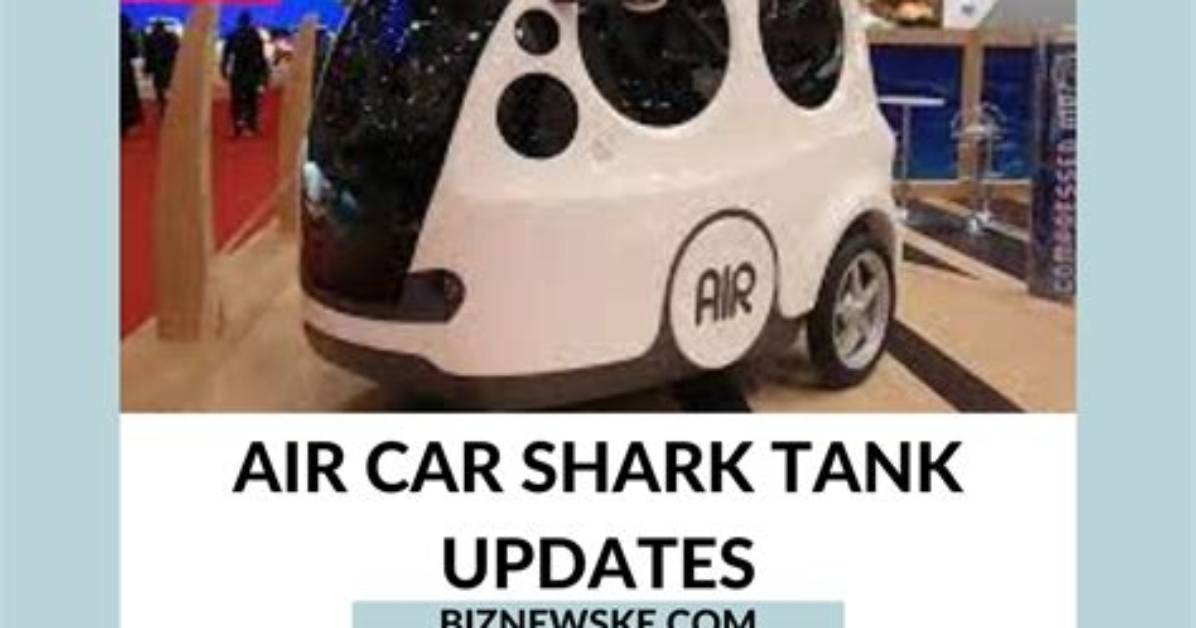
The Air Car, developed by Zero Pollution Motors, possesses distinctive characteristics that set it apart from conventional automobiles. Its noiselessness, pollution-less nature, and power efficiency make it a prime choice for urban environments, contributing to the reduction of noise and air pollution.
“The Air Car is an innovative solution that combines the power of renewable energy with compressed air technology,” says Ethan Tucker, co-founder of Zero Pollution Motors.
One of the key features of the Air Car is its noiseless operation. Unlike traditional combustion engines, the Air Car’s utilization of compressed air as a fuel source results in a remarkably quiet driving experience. This not only provides passengers with a serene journey but also minimizes noise pollution in densely populated areas.
The Air Car’s pollution-less attribute makes it an environmentally friendly mode of transportation. Without any harmful emissions, it significantly reduces air pollution, contributing to the preservation of air quality and public health. This characteristic aligns with Zero Pollution Motors’ commitment to sustainable and clean transportation solutions.
Moreover, the Air Car is power-efficient, making it an economically viable choice for consumers. The compressed air technology employed by the vehicle provides an efficient and effective propulsion system, resulting in optimal energy usage. This not only reduces operational costs but also ensures a sustainable and greener future for transportation.
Overall, the characteristics of being noiseless, pollution-less, and power-efficient make the Air Car an excellent option for those seeking an eco-friendly and sustainable mode of transportation in urban areas.
Advantages of Air Car Characteristics:
- Noiseless operation for a serene driving experience
- Reduction of noise pollution in urban environments
- Pollution-less nature for improved air quality
- Contribution to the reduction of air pollution
- Power efficiency for economic viability
Disadvantages of Air Car Characteristics:
- Lower energy density and shorter range compared to traditional cars
- Requires more frequent refueling due to compressed air limitations

