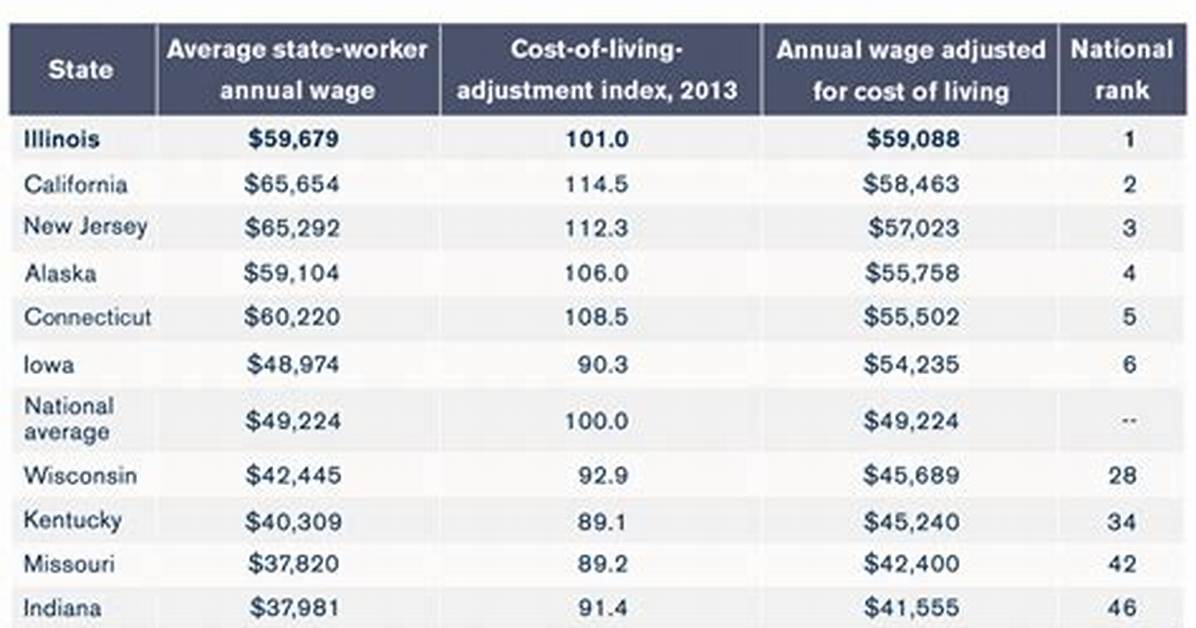
The Illinois state employee compensation can be compared with the pay rates in the private sector to gain insights into the relative earnings of state employees and the competitiveness of state government jobs. This analysis can provide valuable information for individuals considering a career in the public sector and help them understand the potential salary benefits compared to the private sector.
When comparing salaries between the state and private sector, it is important to consider various factors such as job responsibilities, qualifications, and experience levels. While some positions may offer higher salaries in the private sector, state employment often provides additional benefits such as job security, retirement plans, and healthcare coverage.
Here is a table summarizing key differences between state employee compensation in Illinois and the private sector:
| Comparison Categories | State Employee Compensation | Private Sector Compensation |
|---|---|---|
| Salary Levels | Varies based on position, agency, and experience. | Varies depending on industry, company size, and job title. |
| Job Security | Generally higher due to government stability. | May vary depending on industry and economic conditions. |
| Benefits | Comprehensive benefits package including healthcare, retirement plans, and paid time off. | Benefits may vary depending on employer and job position. |
| Work-Life Balance | Emphasized in public sector with standard hours and generous leave policies. | Varies depending on company culture and industry demands. |
| Career Growth Opportunities | Potential for professional growth, promotions, and advancement within agencies. | Varies depending on industry and individual career paths. |
While private sector salaries may fluctuate based on market conditions, state employee compensation tends to provide stable income and long-term benefits. It is important for individuals to assess their priorities and career goals when considering opportunities in either sector.

