The OECD warned that "high geopolitical tensions, particularly in the Middle East, could disrupt energy and financial markets, causing inflation to spike and growth to falter".
"Policy action needs to ensure macroeconomic stability and improve medium-term growth prospects," Cormann said.
"Monetary policy should remain prudent, with scope to lower policy interest rates as inflation declines," he said.
He added that "fiscal policy needs to address rising pressures to debt sustainability, and policy reforms should boost innovation, investment and opportunities in the labour market particularly for women, young people and older workers."
The OECD report said a recovery in household incomes, tight labour markets and the expected interest rate cuts will help to "generate a gradual rebound."
But it warned that "the mixed macroeconomic landscape is expected to persist, with inflation and interest rates declining at differing paces, and differing needs for fiscal consolidation."
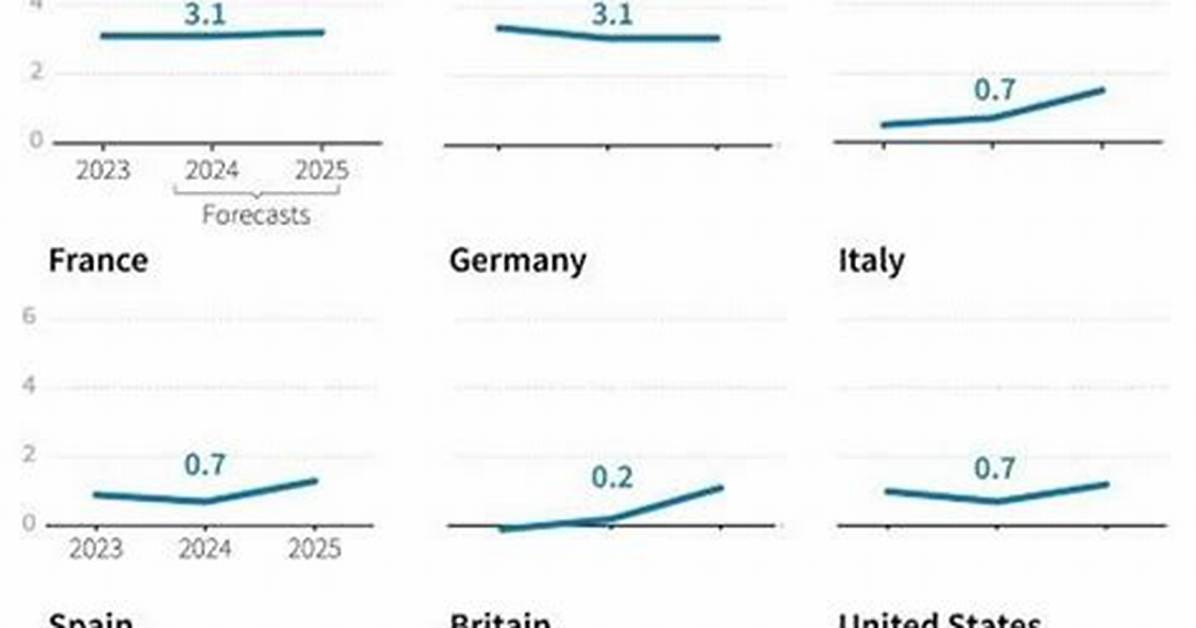
The OECD cut its 2024 growth forecast for Germany, Europe's largest economy, to 0.2 percent from 0.3 percent previously.
France, the eurozone's second biggest economy, is expected to post 0.7 percent growth, up from 0.6 percent in a previous forecast, lifted by consumer spending.
In Britain, the economy is seen growing 0.4 percent in 2024 and 1.0 percent in 2025, slower than what was expected in February, which the OECD blamed on persistent inflation.
Source: AFP

