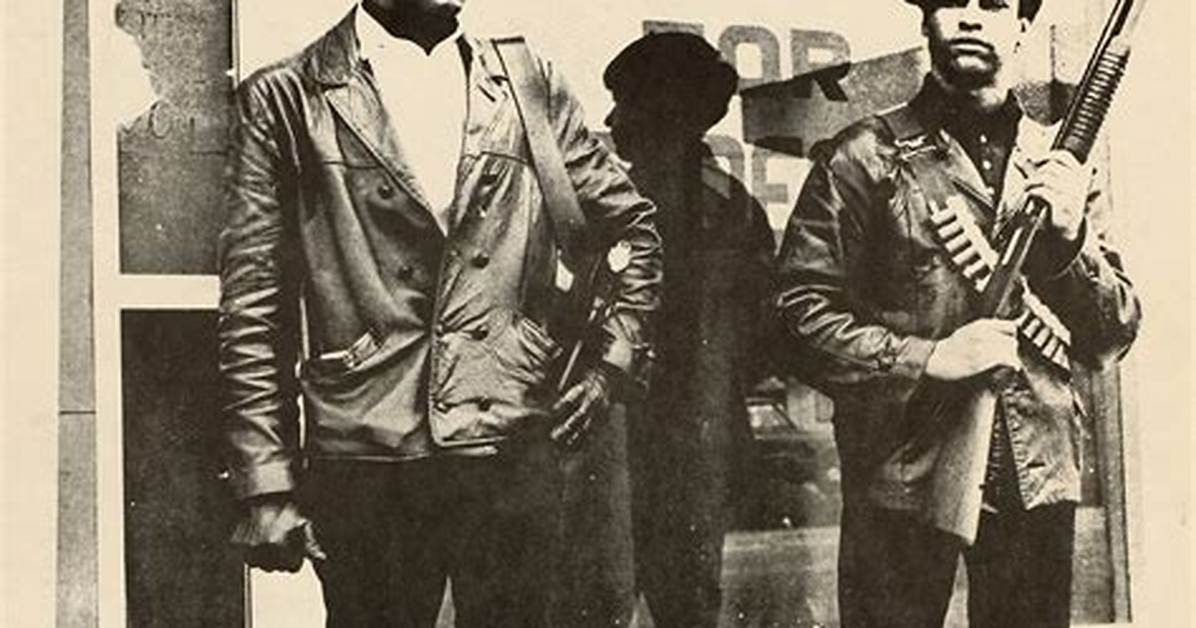
In an interview with Insider, Brown was asked to rate the accuracy of the depiction of the Black Panther Party in the recently released movie Judas and the Black Messiah.
She revealed she was not too happy about the portrayal of the revolutionary party she was a part of for so long.
In the interview, she talked about the free breakfast program for the children organized by the Black Panther Party. She explained it was not just a centerpiece of the party but an ideology.
According to Brown, it was a tool to make people understand and recognize that rights such as the right to food, right to eat, right to medical care were compulsory provisions to all citizens of the country.
She opnied that people shouldn't have to pay for the bare minimum things that keep them alive or fight for the things that should've been rightfully provided to them.
Brown further said that Hampton was ideologically firm, whereas Shaka King (director) and Ryan King (producer) weren't because they didn't understand the purpose of the program that they presented in their movie.
She criticized the character of Hampton in the movie as being two-dimensional and narrow, being nothing compared to the actual person.
She was disappointed at the movie being about Hampton as much as it was about William O’Neal while portraying the two characters as two sides of a coin.
According to Brown, O’Neal had no significance in the history of Black Panther Society or the Black community.
She further explained that the Party didn’t represent a threat to the gun issue as depicted by the media but had an agenda to dismantle the entire system to free the 400 years of oppression faced by Black people.

