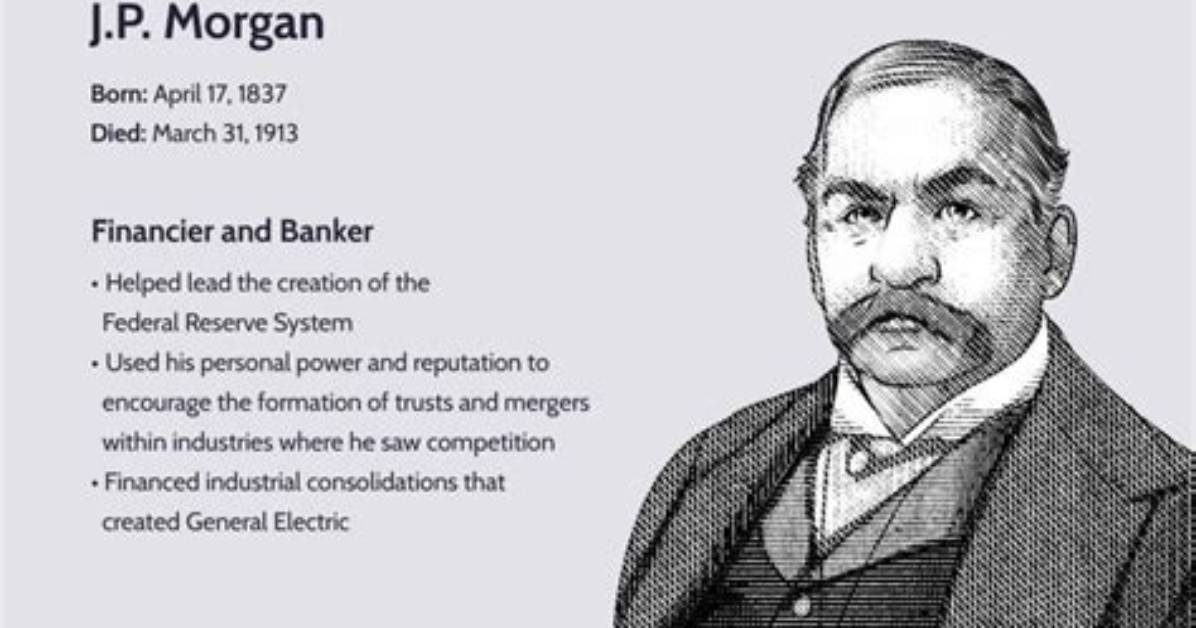
In times of financial crises, JP Morgan’s role in stabilizing the markets was crucial. His expertise and influence allowed him to navigate through challenging economic times and prevent further collapse. Two significant financial crises where Morgan played a pivotal role were the Panic of 1893 and the Panic of 1907.
During the depression following the Panic of 1893, Morgan formed a syndicate with other bankers to resupply the U.S. government’s gold reserve. This act provided much-needed relief to the Treasury and helped stabilize the economy. Morgan’s intervention showcased his ability to take decisive action and his understanding of the importance of maintaining financial stability.
The Panic of 1907 was another period of severe financial strain, with multiple banks and financial institutions on the verge of collapse. In response, Morgan led a group of bankers in bailing out these faltering institutions, preventing a broader banking crisis. His coordinated efforts and financial resources were instrumental in restoring confidence and preventing further economic turmoil.
JP Morgan’s Financial Crisis Interventions
“In times of financial crises, JP Morgan’s interventions played a crucial role in stabilizing the markets and preventing further economic collapse. His actions during the Panic of 1893 and the Panic of 1907 showcased his ability to take decisive steps and maintain financial stability.”
| Financial Crisis | Year | Morgan’s Intervention |
|---|---|---|
| Panic of 1893 | 1893-1897 | Formed a syndicate to resupply the U.S. government’s gold reserve, providing relief to the Treasury |
| Panic of 1907 | 1907-1908 | Led a group of bankers in bailing out faltering financial institutions, preventing a broader banking crisis |
JP Morgan’s interventions during these financial crises demonstrated his influential role in the financial community and his ability to avert disaster. His actions not only stabilized the markets but also served as a testament to his leadership and expertise in navigating through turbulent economic times.

