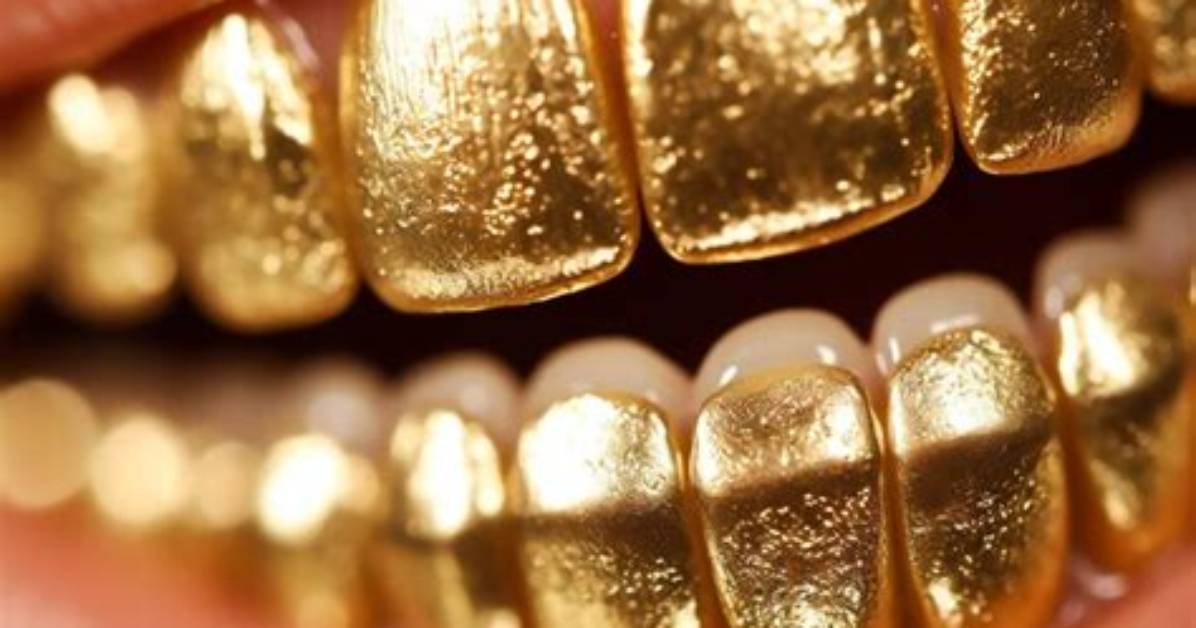
The history of teeth jewelry is thought to have begun with the Egyptian civilization. Archaeologists unearthed two teeth wrapped in gold wire alongside a deceased individual from ancient Egypt a few years ago, prompting speculation.
Upon more investigation, it was discovered that the persons in question were most likely missing teeth, and the gold wire was only a pendant necklace. Following the debunking of Egyptians as the originators of golden teeth, Etruscans have taken that spot.
Etruscan civilization was a wealthy civilization that lived in ancient Italy from 750 BCE. They had a lavish lifestyle, so it is no surprise that the Etruscans embellished their teeth with gold.
Teeth jewelry's impact expanded from the Middle East and Europe to every corner of the globe. Mayans used gemstones like Jade to give a splash of color to their gold teeth, making them stand out.
They also bore a hole in their teeth to allow colorful pebbles to be embedded in them. However, there isn't a lot of material available regarding the Roman and Spanish periods and grills.
Still, given how well Grillz had done before them, it wouldn't be surprising if the civilization followed suit. Fast forward to the contemporary age, and gold had a purpose other than being used as jewelry.
In the 1800s, dentists began using gold as a precious material for repairing cavities in teeth. As a result, gold fillings are far older than amalgam, composite, or porcelain fillings.
Golden teeth and grills have become popular again since the 1900s. However, they did not achieve their pinnacle until the 1970s.

