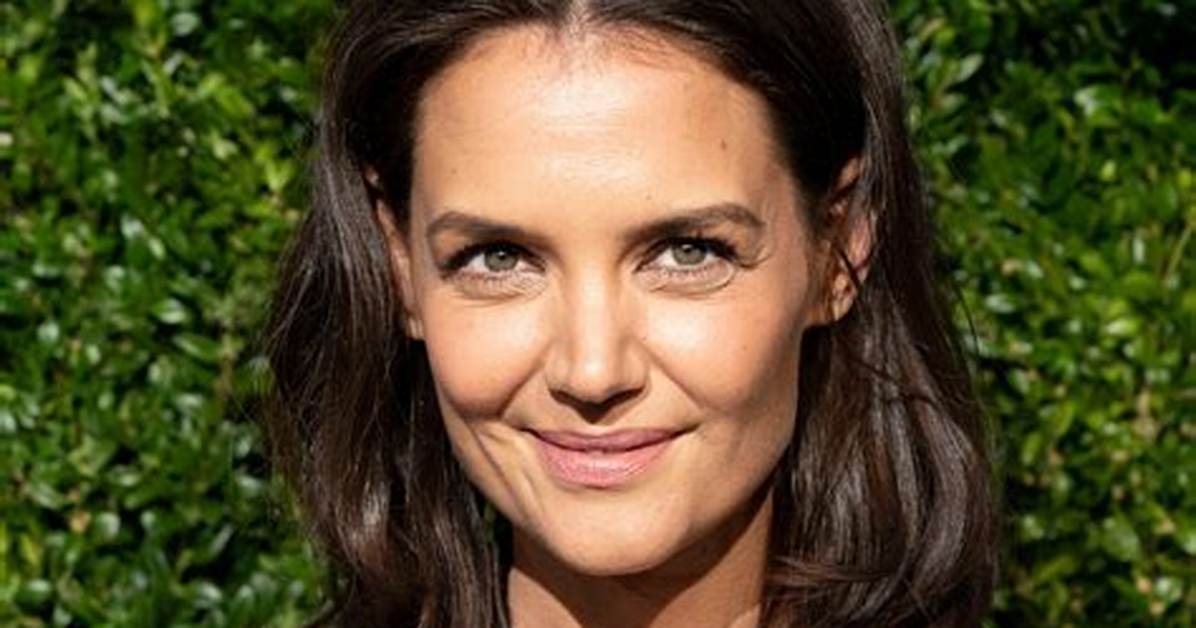
There were tons of rumors as to why Katie's replacement with Maggie Gyllenhaal for the role of Rachel Dawes happened in the first place. Some speculated that it was all part of some weird, Scientology conspiracy (she was with Tom Cruise at the time), others thought that Nolan had wanted to switch up the casting because Holmes "didn't have the acting chops" to go toe-to-toe with some of the other high-profile talent in the production.
The Dark Knight is not only the most-beloved entry into cinematic history when it comes to the Caped Crusader, but it could very well be one of the most important films ever made.
It didn't just redefine the superhero genre by providing thought-provoking narratives and excellent performances from a list of top talent, but it implemented new technology for a feature film. For the first time ever, 70mm HD film IMAX cameras were used to shoot a Hollywood movie.
The cameras were noisy, and loud. In fact, they were so loud there were reports of their droning noise pissing off Christian Bale, Michael Caine, and Heath Ledger on numerous occasions. The film's final script was ultimately a blend of two different treatments: one that featured the Joker as the movie's primary villain and another with Two-Face. Both screenplays were meshed together to provide an ideological narrative about identity, intent, perception, faith, corruption, and heroism.
While many superhero flicks are CGI boom fests that don't particularly age well and can come off as quite soulless, there's something to be said about Nolan's dedication to building an actual world and using real-life surroundings and practical effects in his films. While it's undoubtedly harder to pull off for the Batman universe, it seems almost necessary.
What's truly interesting about The Dark Knight is that, even though it's a superhero movie, it ultimately feels painfully human at points.

