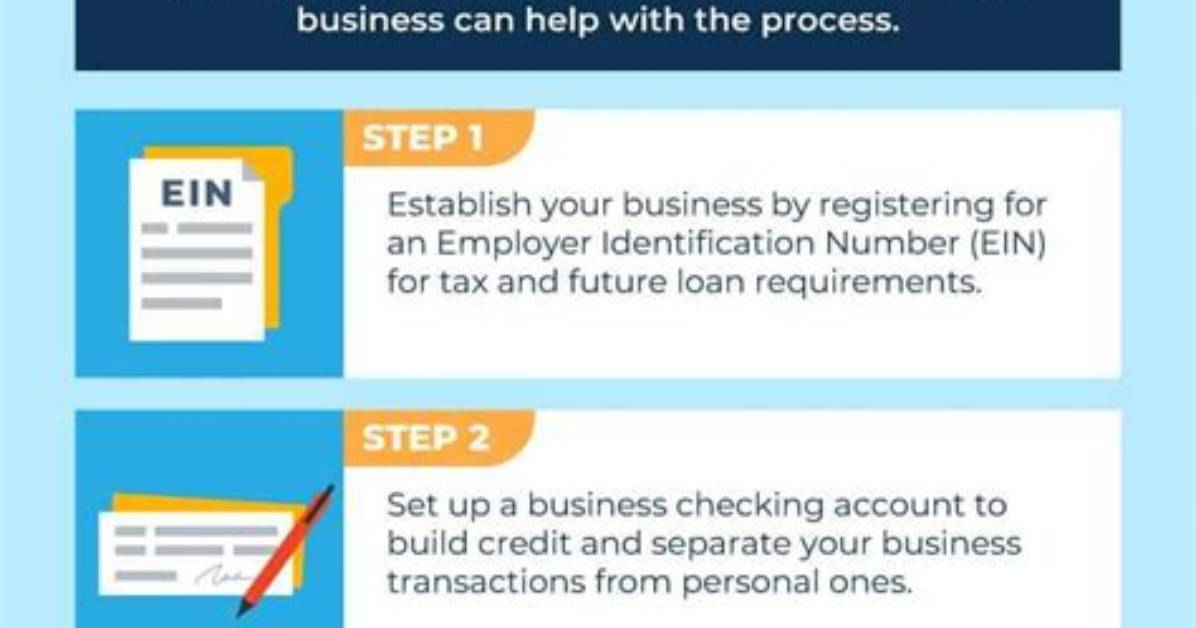
Before applying for business credit, it is crucial to register your legal business name with the appropriate government agencies. This registration process may vary depending on your business structure, location, and specific requirements of the government agencies. In some cases, you may need to obtain a federal employer identification number (EIN) from the Internal Revenue Service (IRS) to proceed with the registration.
Registering your business ensures that you have a legitimate and recognized entity in the eyes of the law and enables you to operate legally. It also helps establish your business’s credibility and transparency, which can positively impact your ability to obtain business credit.
The specific steps and requirements for registering your business will depend on your location and the government agencies involved. It is essential to research and familiarize yourself with the registration process specific to your region and business structure.
Choosing a Legal Business Name
One of the initial steps in registering your business is selecting a legal business name. Your business name should be unique, memorable, and accurately represent your brand. Before finalizing your name, it is crucial to conduct a thorough search to ensure that it is not already in use and does not infringe on any trademarks.
Once you have decided on a suitable business name, check with your local government agency or Secretary of State’s office to confirm its availability. They will provide guidance on the next steps to register your business name, which may involve filing the appropriate paperwork and paying any necessary fees.
Government Agencies and Business Structures
Depending on your business structure, you may need to register your business with specific government agencies. Here are a few common examples:
- Sole Proprietorship: Registering your business as a sole proprietorship usually involves filing a DBA (Doing Business As) form with your local government agency. This registration allows you to use a business name instead of your personal name.
- Partnerships: Partnerships typically need to register with the Secretary of State’s office or a similar government agency. The required documents may include a partnership agreement, which outlines the roles and responsibilities of each partner.
- Corporations and Limited Liability Companies (LLCs): Incorporating your business or forming an LLC involves registering with the Secretary of State’s office or another relevant government agency. The process usually requires filing articles of incorporation or articles of organization and paying the necessary fees.
It is essential to consult with legal professionals or business advisors to ensure compliance with the registration requirements for your specific business structure.
Federal Employer Identification Number (EIN)
Obtaining a federal employer identification number (EIN) is often necessary for certain business structures, such as corporations, partnerships, and LLCs. An EIN is a unique identification number assigned by the IRS to identify your business for tax purposes.
To apply for an EIN, visit the official IRS website or contact their helpline for guidance. The application process is typically straightforward and can be completed online or by mail. Once approved, you will receive your EIN, allowing you to fulfill tax obligations and proceed with other aspects of your business registration.
| Key Registration Steps | Requirements |
|---|---|
| Choose a unique legal business name | Ensure it is not already in use and does not infringe on any trademarks |
| Research and identify the specific government agencies to register with | Varies based on business structure and location |
| File the necessary paperwork | Includes forms like DBA, articles of incorporation, or articles of organization |
| Pay any required registration fees | Varies based on jurisdiction and business structure |
| Apply for a federal employer identification number (EIN) | Required for certain business structures |
By completing the registration process and obtaining the necessary legal documentation, you establish the foundation for building your business credit. With your legal business name and structure in place, you can proceed to the next steps of establishing a robust credit profile to access financing options and grow your business.

